Twice-yearly cholesterol jab could replace daily statins
Peer reviewed by Natalie HealeyLast updated by Ashwin BhandariLast updated 3 Sept 2019
Meets Patient’s editorial guidelines
- DownloadDownload
- Share
- Language
- Discussion
- Audio Version
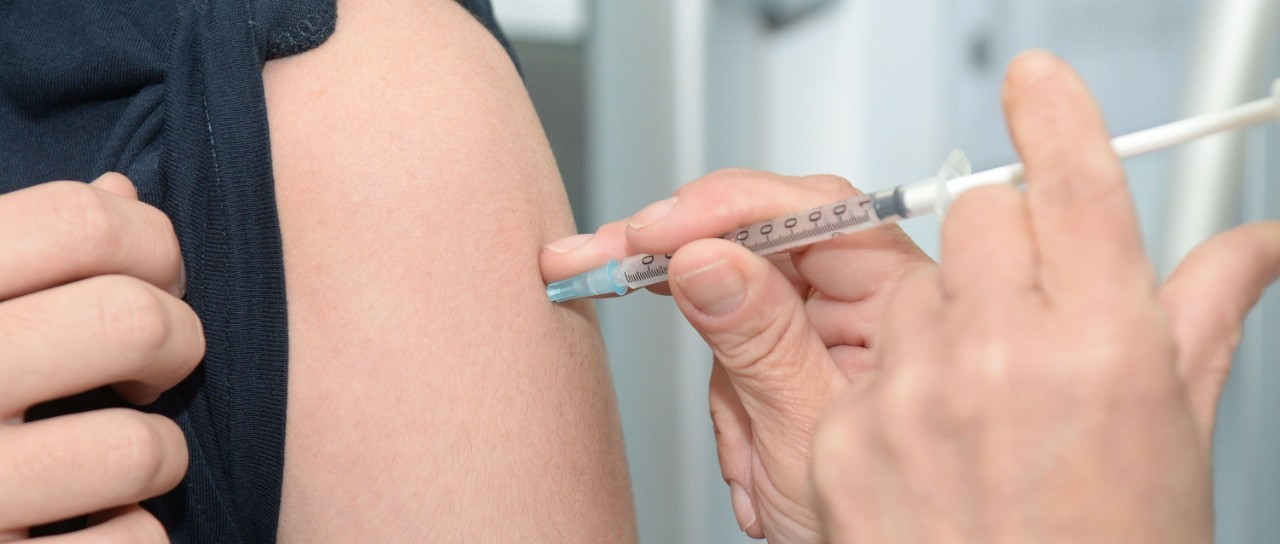
A new medication, injected twice a year, could be used to lower 'bad cholesterol' in the blood, according to new findings presented at the European Society of Cardiology conference in Paris.
Video picks for High cholesterol
Some people can effectively lower their cholesterol levels by making lifestyle changes, such as improving their diet and exercise. When this is unsuccessful, reducing cholesterol by taking a daily statin is an effective way to reduce the risk of a heart attack, stroke and vascular dementia.
However, some people are unable to lower their cholesterol sufficiently with statins.
Researchers say a jab know as Inclisiran - given twice a year - can reduce LDL cholesterol ('bad' cholesterol) by up to 54%. The experts tested the medication on 1,600 people over 18 months. The participants experienced no apparent side effects from the injection.
Kausik Ray, professor of public health and consultant cardiologist at Imperial College London (ICL), led the study. Presenting the findings to at the European Society of Cardiology Congress in Paris, he said: "This is a groundbreaking new approach for preventing cardiovascular disease with exciting implications at a population health level."
He says up to 700,000 patients in the UK with the highest cholesterol levels could benefit from the new drug, while remaining on statins. But in the long term, the jab could be offered to millions of people as an alternative to statins.
Professor Sir Nilesh Samani, medical director at the British Heart Foundation said:
"Lowering your LDL or 'bad' cholesterol is a key goal in reducing your risk of suffering a heart attack or stroke. As it's injected twice a year, some patients may prefer to have this treatment rather than taking a pill every day. More work is needed to prove the long-term safety of the drug, but this could provide a significant advance in preventing heart and circulatory disease."
Patient picks for High cholesterol

Heart health and blood vessels
Does your wedding menu cater for low cholesterol diets?
Gluten-free, dairy-intolerant, peanut allergies - you always need to think about your guests' dietary requirements when organising the food for a special event, so why not include some options for those who may be watching their blood pressure and following a low-cholesterol diet at your wedding?
by Danny Chadburn
Heart health and blood vessels
Can you lower cholesterol through diet alone?
By now, the health risks of high cholesterol are well documented. But do you need to change every aspect of your lifestyle to protect yourself against heart disease and stroke or can diet alone tame your cholesterol levels?
by Milly Evans
Continue reading below
Article history
The information on this page is peer reviewed by qualified clinicians.
3 Sept 2019 | Latest version

Ask, share, connect.
Browse discussions, ask questions, and share experiences across hundreds of health topics.

Feeling unwell?
Assess your symptoms online for free
Sign up to the Patient newsletter
Your weekly dose of clear, trustworthy health advice - written to help you feel informed, confident and in control.
By subscribing you accept our Privacy Policy. You can unsubscribe at any time. We never sell your data.