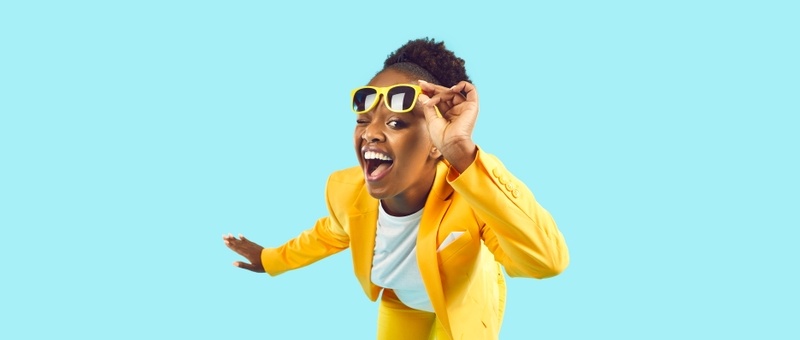
More than just a fashion fail: the hidden dangers of fake sunglasses
Peer reviewed by Dr Colin Tidy, MRCGPAuthored by Victoria RawOriginally published 4 May 2026
Meets Patient’s editorial guidelines
- DownloadDownload
- Share
- Language
- Discussion
- Audio Version
The days are getting sunnier, and let’s be honest - while many of us reach for sunglasses to shield our eyes from the sun’s glare, we’re also drawn to them for their style. All too often, we sacrifice eye health in favour of a designer logo - hoping someone will spot the brand name on the frame.
If the real thing is out of reach, it’s tempting to opt for knockoffs. But as Mr Alex Day warns, wearing fake designer sunglasses could lead to permanent, lasting harm to your sight.
In this article:
Video picks
When you buy a counterfeit designer bag, piece of clothing, watch, or pair of shoes, the worst outcome is usually minor - perhaps a sole comes loose, or a watch hand falls off. These faults are frustrating, but they don’t pose a health hazard in the way counterfeit sunglasses can.
Mr Alex Day, a leading Consultant Ophthalmologist at Moorfields Private Eye Hospital, cautions that buying fake sunglasses is effectively gambling with your sight - an act that could lead to irreversible, long-term damage to your vision.
"Counterfeit eyewear is uniquely dangerous because it usually features dark-tinted lenses with absolutely zero UV protection,” he says. “From a medical perspective, wearing them is actually significantly worse than wearing no sunglasses at all."
Mr Alex Day

Why is UV protection so important?
While getting a healthy amount of sunlight can be good for you, it’s important to protect yourself when spending time outdoors. Beyond the well-known dangers of sunburn, your eyes are also highly vulnerable to sun exposure. Sunlight contains ultraviolet (UV) radiation, which can damage both your eyes and the delicate skin surrounding them.
Wearing sunglasses with proper UV protection helps shield your eyes from this harm. When choosing a pair, always check that they meet recognised UV safety standards.
Continue reading below
The connection between fake sunglasses and ‘dilation danger’
It’s not always true that higher-priced sunglasses guarantee superior UV protection. However, established brands are more likely to meet safety regulations and clearly display appropriate certification.
According to Day, buying imitation designer sunglasses can expose you to a physiological risk known as ‘dilation danger’.
"When you step into bright sunlight, your pupils naturally constrict to reduce the amount of light entering the eye,” he explains. “When you put on dark sunglasses, your brain is tricked into thinking you are in a dark room, causing your pupils to dilate and open up.
"If those sunglasses are counterfeit and lack UV filters, you are effectively opening the floodgates, allowing a massive, unfiltered dose of harmful UVA and UVB radiation to penetrate straight through to the lens and retina."
Day adds that, over time, this intense UV exposure causes cumulative cellular damage.
Long-term exposure to unfiltered sunlight can increase your chance of developing:
Cataracts - where the usually clear lens of your eye becomes cloudy.
Pterygium - growths of tissue over the clear cornea of your eye.
Eyelid cancers.
Retinal issues - such as age-related macular degeneration.
Choosing the right sunglasses
Back to contentsThe most reliable way to choose a safe pair of sunglasses this summer - whether designer or not - is to carry out a simple 'safety check' before you buy.
Day offers some quick tips to making a safe choice:
Look for the certifications - if you’re buying sunglasses in the UK, they need to meet proper safety standards. Make sure they block 100% of both UVA and UVB rays. You’ll usually see this marked as CE, UV400, or the newer UKCA label.
Do a quick price sense-check - if you spot £200 designer frames going for £25 on a beach, a market stall, or an unverified online marketplace, they are almost certainly fake and lack proper UV protection.
Polarisation is not protection - do not confuse polarised lenses with UV protection. Polarised lenses reduce glare from reflective surfaces such water or wet roads, which makes things easier to look at, but they don't automatically block UV rays. Ideally, your sunglasses should offer both.
"Ultimately, your sunglasses should be seen as safety equipment first and a fashion accessory second," concludes Day. "A £15 pair of pharmacy sunglasses with the correct safety marks will protect your eyes infinitely better than a £30 fake 'designer' pair."
Patient picks
Eye health
Future-proof your sight: why your eyes deserve a long-term plan
It’s a fact of life that, as we age, certain bodily functions naturally change - and eyesight is one of them. While many factors affect eye health and not all are within our control, simple healthy habits can help keep your vision strong for longer. Caring for your eyes as you get older can make a big difference in keeping you active, independent, and able to do what you love.
by Victoria Raw
Eye health
When should you worry about your eyes?
It is recommended that you get your eyes tested every two years - even if your vision seems fine. Your test will check for your vision and eye health ill and check for any emerging problems. Here we talk about what changes and issues in your vision you should look out for and when you should see a specialist .
by Victoria Raw
Continue reading below
Article history
The information on this page is peer reviewed by qualified clinicians.
Next review due: 4 May 2029
4 May 2026 | Originally published
Authored by:
Victoria RawPeer reviewed by
Dr Colin Tidy, MRCGP

Ask, share, connect.
Browse discussions, ask questions, and share experiences across hundreds of health topics.

Feeling unwell?
Assess your symptoms online for free
Sign up to the Patient newsletter
Your weekly dose of clear, trustworthy health advice - written to help you feel informed, confident and in control.
By subscribing you accept our Privacy Policy. You can unsubscribe at any time. We never sell your data.