
Why hair turns grey - and how lifestyle may play a role
Peer reviewed by Dr Colin Tidy, MRCGPAuthored by Victoria RawOriginally published 17 Apr 2026
Meets Patient’s editorial guidelines
- DownloadDownload
- Share
- Language
- Discussion
- Audio Version
It’s natural, as you get older, to think about grey hair. While embracing a natural white, silvery, or salt-and-pepper look can be empowering, many people wonder whether targeted lifestyle choices can delay it.
Whether you’re ready to embrace a new hue, or want to hold onto your natural colour a bit longer, we dive into the science of why hair greys and if it’s actually possible to slow down the clock.
In this article:
Video picks for Hair and scalp
Continue reading below
Why does hair turn grey?
As we age, our hair follicles steadily lose their ability to produce colour pigment. That means when new hair grows from those follicles, the strands emerge colourless - typically white or grey - so over time the overall look of your hair changes as more follicles stop producing pigment.
Dr Mohamed Mohamed, a hair loss and restoration surgeon and founder of City Clinics, UK, explains that pigment is produced by specialised cells called melanocytes, located in the hair bulb.
“These cells manufacture melanin and transfer it into the growing hair shaft during the active growth phase,” he says. “Over time, we see a gradual decline in both the number and function of these cells.
“More importantly, it is the depletion of melanocyte stem cells - the reservoir responsible for regenerating pigment-producing cells - that drives permanent greying. Once these are significantly reduced, the follicle loses its ability to produce colour altogether.”

How oxidative stress causes grey hair
Back to contentsOxidative stress occurs when there's an imbalance between antioxidants and free radicals in your body. Antioxidants are compounds that protect your cells from damage, while free radicals are unstable molecules that can harm cells.
When free radicals outnumber antioxidants, this can contribute to health issues such as heart disease, impaired brain function, and premature ageing. Common contributors to oxidative stress include smoking, a poor diet, and long-term stress.
Mohamed says one of the biggest reasons for greying hair is oxidative stress inside the body.
“Hair follicles naturally generate small amounts of hydrogen peroxide,” he explains. “In a healthy system, this is neutralised by enzymes such as catalase. As we age or remain under prolonged stress, these antioxidant systems become weakened. The result is a build-up of hydrogen peroxide within the follicle.
“This has a dual effect. It inhibits the key enzyme needed for pigment production and simultaneously bleaches the hair from the inside out. In simple terms, the follicle begins to lose its ability to both create and preserve colour.”
The impact of stress and lifestyle on grey hair
Mohamed adds that long-term stress puts ongoing pressure on your body's antioxidant systems and can affect the stem cell environment inside the follicle.
“We also see strong associations with smoking, UV exposure, and environmental pollutants - all of which increase oxidative load,” he says.
Continue reading below
Can a poor diet contribute to premature greying?
Back to contentsA diet lacking in nutrients such as vitamin B12, vitamin D, iron, and copper can contribute to premature greying.
Mohamed says these nutrients help cell renewal, enzymes and melanin production - so if you’re low on them, the pigment-making cells can slow down.
“If identified early, correcting these deficiencies may stabilise the process and, in some cases, lead to partial repigmentation,” he says. “Once the underlying pigment cell population has declined significantly, reversal becomes unlikely.”
Mohamed notes that it can be possible to reverse greying at the follicle, but it isn’t the same for everyone and only works in certain cases.
“We occasionally see repigmentation where greying has been triggered by acute stress, nutritional deficiencies, or certain medical conditions,” he says. “Once those factors are addressed, some follicles can resume pigment production. Age-related greying, driven by stem cell depletion, is largely irreversible with current treatments.”
What can you do to support pigment and hair health?
Unless you’re incredibly lucky - or a vampire - most of us can’t completely stop our hair from going at least a little bit grey. That said, there are things you can do to slow the greying process if that matters to you.
Mohamed recommends keeping your iron and vitamin B12 levels up, eating enough protein, and including plenty of antioxidant-rich foods - such as berries, leafy greens, and nuts - in your diet.
He also suggests managing stress effectively and protecting your scalp from too much sun.
“Improving scalp circulation through massage or certain in-clinic therapies may also support overall follicle function,” Mohamed adds.
When should you see a doctor about grey hair?
Back to contentsGrey hair is a natural part of life. While some lifestyle habits can make it happen earlier, it’s generally not something to worry about. However, if you notice sudden or early greying in your 20s or 30s, it’s worth checking in with your doctor.
“We typically assess patients for blood markers such as B12, ferritin, vitamin D, and thyroid function, review medical history and stress load, and check for any underlying inflammatory or autoimmune conditions,” explains Mohamed. “It is important to distinguish between a reversible trigger and natural ageing of the follicle.”
Mohamed concludes by saying there’s no harm in eating well, managing stress, and taking care of your hair - and if that means fewer grey hairs, consider it a nice bonus.
“Greying is, in many cases, a natural and genetically programmed process,” he says. “Ensure your hair remains strong, dense, and healthy, regardless of its colour.”
Patient picks for Hair and scalp
Skin, nail and hair health
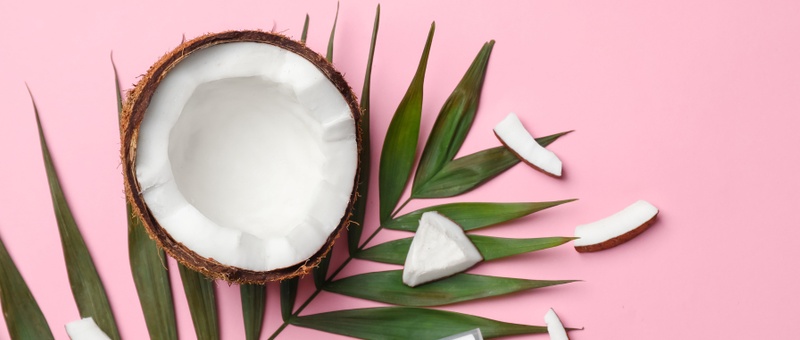
Is coconut oil good for your hair?
Coconut oil can offer a range of benefits for your hair. You've probably heard of it being used on the skin, but many people use it to help with hair growth or detangling. We explore the possible benefits and how best to include coconut oil in your haircare routine.
by Victoria Raw
Skin, nail and hair health
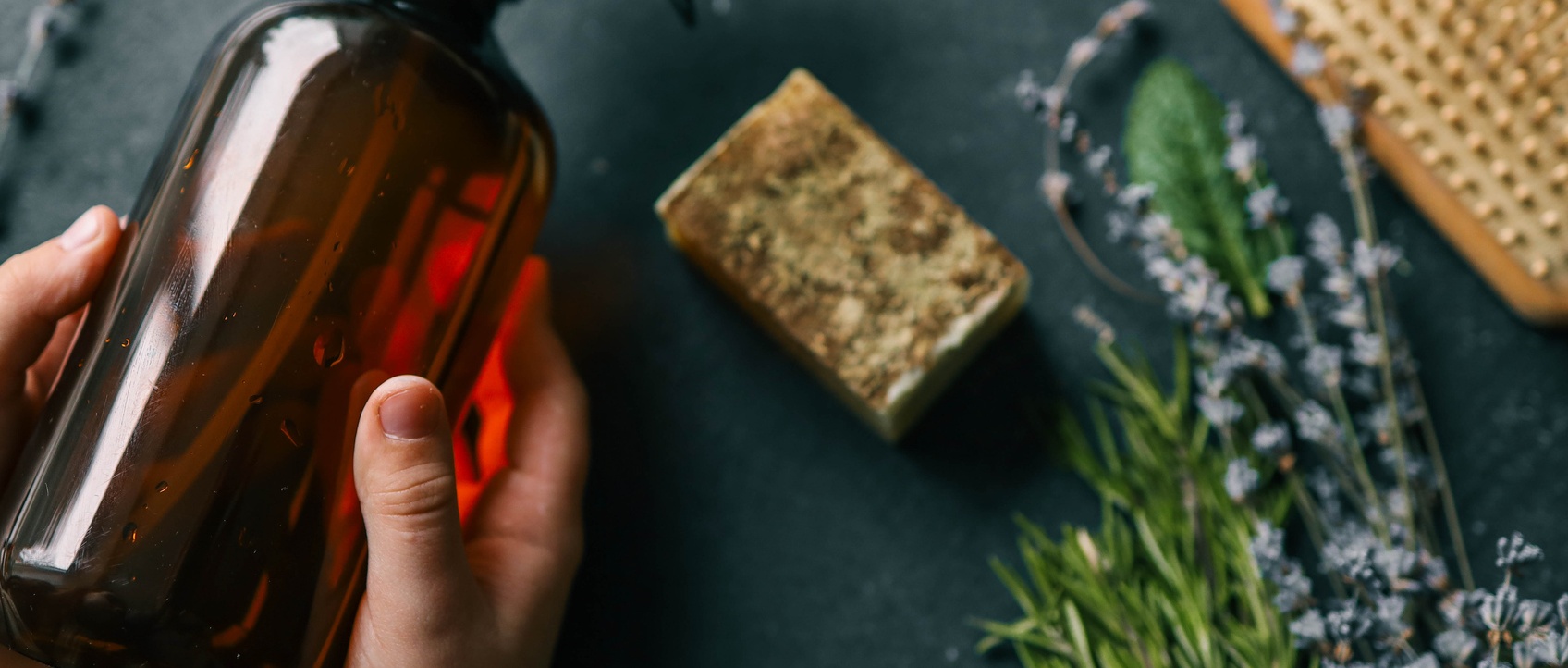
Does rosemary oil actually help hair grow?
We’re always on the lookout for the latest miracle health product - especially if it’s inexpensive and easily found on the high street. And TikTok is full of claims that rosemary oil is a remedy for rapid hair growth. But is there any evidence it works?
by Victoria Raw
Continue reading below
Article history
The information on this page is peer reviewed by qualified clinicians.
Next review due: 17 Apr 2029
17 Apr 2026 | Originally published
Authored by:
Victoria RawPeer reviewed by
Dr Colin Tidy, MRCGP

Ask, share, connect.
Browse discussions, ask questions, and share experiences across hundreds of health topics.

Feeling unwell?
Assess your symptoms online for free
Sign up to the Patient newsletter
Your weekly dose of clear, trustworthy health advice - written to help you feel informed, confident and in control.
By subscribing you accept our Privacy Policy. You can unsubscribe at any time. We never sell your data.