
Hay fever and allergies
Hay fever
Welcome to Patient's hay fever and allergies hub. Find out how to manage symptoms of hay fever and check pollen levels in your local area. Read about causes of other allergies along with how to avoid triggering reactions and when to seek advice or help.
Hay fever
Hay fever is an allergy that makes your body react to things in the air like pollen from grass and trees. It usually causes sneezing, itchy or watery eyes, and a blocked or runny nose, especially during spring and summer when pollen levels are high.
Allergies, blood and immune system
Check pollen levels in your area
by Thomas Andrew Porteus, MBCS

Allergies, blood and immune system
Hay fever
by Dr Doug McKechnie, MRCGP

Allergies, blood and immune system
When is hay fever season in the UK - and how can you avoid the symptoms?
by Dr Sarah Jarvis MBE, FRCGP

Allergies, blood and immune system
How to manage hay fever at home
by Victoria Raw
Allergies
Allergies occur when the immune system mistakenly reacts to harmless substances (allergens) like pollen, food, or dander, causing symptoms such as sneezing, itching, rashes, or hives. Common causes include dust mites, pets, nuts, and bee stings.

Allergies, blood and immune system
Allergies
by Dr Caroline Wiggins, MRCGP

Allergies, blood and immune system
House dust mite and pet allergy
by Dr Colin Tidy, MRCGP

Skin, nail and hair health
Could you be allergic to the sun?
by Gillian Harvey

Allergies, blood and immune system
When to worry about an allergic reaction
by Dr Sarah Jarvis MBE, FRCGP
Allergy testing
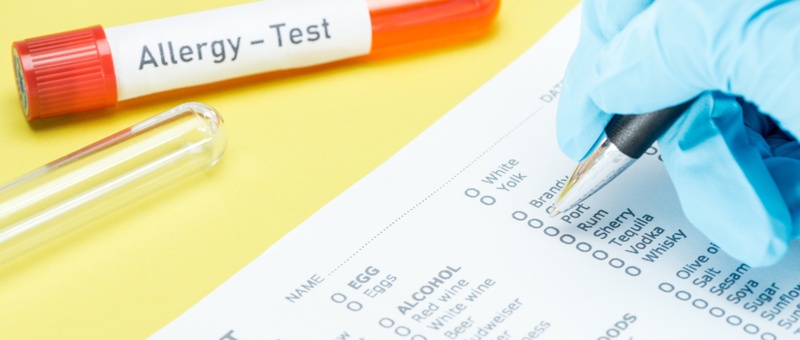
Allergy testing helps find out what things your body is reacting to, such as certain foods, pollen, or chemicals. This can be done with a skin prick test or a blood test.


Antihistamines
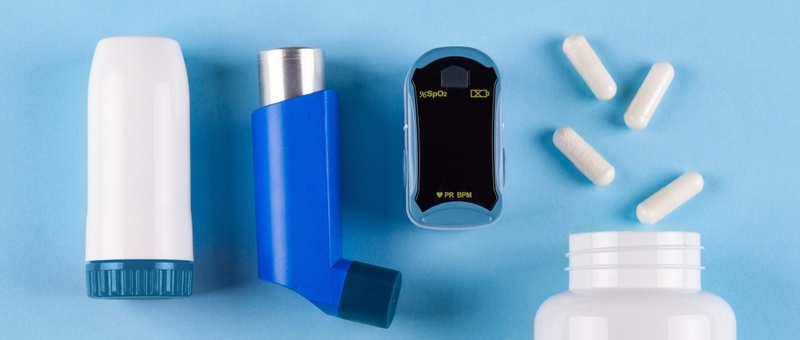
Antihistamines are medicines that help ease allergy symptoms such as sneezing, itching, a runny nose, and hives. They work by blocking histamine, a chemical that causes these reactions in your body. Some can make you sleepy, while others are “non-drowsy” and don’t usually cause tiredness.

Allergies, blood and immune system
Antihistamines
by Dr Colin Tidy, MRCGP

Drug interactions checker
Can I take antihistamines while pregnant?

Drug interactions checker
Can I give my child antihistamines?
Drug interactions checker
Can I take antihistamines with asthma?
Asthma
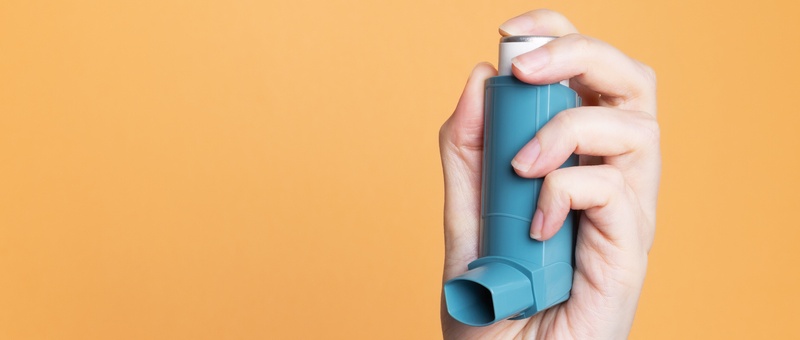
Allergic asthma is a long-term condition where allergens such as pollen, pet hair, or dust can trigger swelling in the airways, making it hard to breathe and causing coughing or wheezing. It’s the most common type of asthma and often happens alongside hay fever or eczema.

Chest and lungs
Asthma
by Dr Doug McKechnie, MRCGP

Chest and lungs
Asthma Control Test (ACT)
by Patient infomatics team

Chest and lungs
How to cope with asthma in the summer
by Lynn Stephen
Chest and lungs
What are the main causes of asthma and asthma attacks?
by Amberley Davis