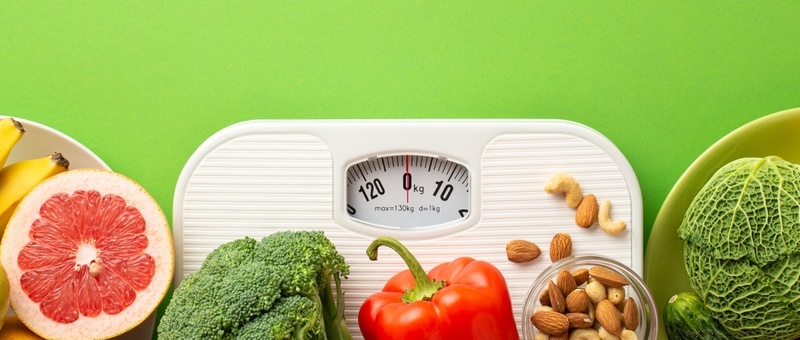
Can certain foods mimic the effects of weight loss injections?
Peer reviewed by Dr Colin Tidy, MRCGPAuthored by Victoria RawOriginally published 5 May 2026
Meets Patient’s editorial guidelines
- DownloadDownload
- Share
- Language
- Discussion
- Audio Version
Weight loss injections have become a rapidly growing medical option for shedding pounds. To qualify, you must meet specific criteria. If you are eligible, you can pay privately to skip long waitlists. On the NHS, access can take much longer.
If you find yourself stuck in the middle - unable to afford private care but waiting indefinitely for a prescription - there may be another way.
We asked a nutritionist which foods and habits could naturally help curb appetite and support weight loss without medicine.

In this article:
Video picks for Obesity and weight loss
Continue reading below
Foods that help you stay full longer
There are several types of weight loss medicines available, and most work in a similar way. Some prevent your body from absorbing fat, while most modern options focus on curbing hunger. By replicating the ‘fullness hormones’ your body naturally produces, these medicines help you eat less. They also slow down digestion, meaning food stays in your stomach longer and keeps you feeling full well after a meal.
Helena Barham-Coppola, nutritional therapist and founder of Nourish&Be, London, UK, explains that for those seeking foods that act as a ‘speed bump’ for hunger, there are three key nutritional components worth exploring to sustain fullness.
Helena Barham-Coppola

Barham-Coppola identifies these three pillars as:
Fibre - an undigestible carbohydrate that bulks out your poo, supports your gut health, slows gastric emptying, and keeps you fuller for longer than comparable low-fibre meals.
Some dietary fats - such as those found in olive oil, avocado, oily fish, and fermented dairy. Certain fats trigger your natural 'fullness' hormones cholecystokinin (CCK) and peptide-YY (PYY), which signal your brain that you’ve had enough to eat and tell your stomach to slow down its digestion.
Protein - this is one of the best ways to feel full and keep food in your stomach longer. It works by revving up your natural GLP-1 production - which is the exact same biological pathway that modern weight loss shots are designed to target.
“There is some research suggesting that both protein and calcium together induce enhanced GLP-1 release naturally, as the receptors in your gut respond to calcium and amino acids,” she adds. “Excellent sources of calcium can be found in fermented dairy, tofu, tahini, almonds, and broccoli.”type: embedded-entry-inline id: 3Ockuvt5QSkHRZiUekeS9k
The best order to eat foods for appetite control
Back to contentsTo maximise the effects of foods that may naturally mimic weight loss medicine, the order in which you eat them can be surprisingly important.
Barham-Coppola recommends you start your day off with a protein-packed breakfast - for example, boiled eggs, some Greek yoghurt, chicken breast, salmon, or scrambled tofu. Since protein sends a powerful ‘fullness’ signal to your brain that takes roughly 20 minutes to activate, eating it early gives your body a head start on appetite control.
She explains that protein triggers a wave of ‘fullness' hormones that tell your brain to stop eating and your stomach to slow down. By making protein the star of your breakfast, you stabilise your blood sugar for the rest of the morning. It also shuts off ghrelin, the hormone that makes your stomach growl. Because your energy stays steady, you won't face the mid-morning sugar crash that usually leads to reaching for snacks.
“Starting your meal with a few bites of protein can be a great way to use this chemical signal to your advantage in weight loss,” says Barham-Coppola. “All alongside some veggies and complex carbs - depending on the person.”
According to Barham-Coppola, because your body can’t digest fibre, if you eat your vegetables early on in your meal - before or alongside protein - they can act like a protective net that catches sugar and slows its entry into your bloodstream.
“This is the reason why eating an apple can have a minimal blood sugar spike, while eating 2–3 teaspoons of pure sugar - the roughly 10–15 grams of sugar in an apple - can lead to blood sugar spikes and crashes,” she says.
“Fibre also slows gastric emptying and promotes satiety through physical bulk in the stomach. Dietary fibre can also promote the secretion of natural GLP-1.”1
Keep meals interesting to avoid junk food temptation
Trying to stick to an eating plan that prioritises certain foods over others may lead to boredom over the long term if you don't think outside the box in terms of variety.
Barham-Coppola explains that the monotony of a meal, or a series of similar meals, can lead to a decrease in dopamine - your ‘feel-good’ hormone - in response to flavours.
“Ultra-processed food (UPF) such as junk food is often manufactured to be as humanly palatable as possible, with snack culture going wild,” she says. “Perhaps the easiest way to overeat is by eating lots of different UPF snacks - small portions so your brain never gets bored, and all engineered for dopamine reward and low satiety levels thanks to stripped fibre.
“This is also seen with 'the buffet effect' - too many options and a desire to try it all, with each new flavour and texture bringing a potential dopamine hit in the brain.”
Barham-Coppola advises that you don’t deprive yourself of flavour - season your food with herbs and spices and steer clear of UPFs and buffets where possible.
Continue reading below
Can everyone biologically manage hunger in this way?
Back to contentsIt’s widely accepted that what works for one person may not work for another. Often, it is not a simple case of ‘eat less and eat the right things’. The phrase "just try harder" has haunted many people navigating a weight loss journey - especially those whose genetics are predisposed to make losing weight more difficult than it is for others.
Barham-Coppola addresses this by explaining that some people do have a naturally higher ‘set point’ for weight. This is due, in part, to genetics, but it is also influenced by early-life exposures and the health of their parents prior to conception.
“The body often responds to caloric restriction with stronger hunger signals,” she says. “Another important point to remember is that weight and fat mass can be totally independent of metabolic health. So for someone with a higher set point, that doesn’t mean they should give up.
“Prioritise healthy eating for the wealth of other benefits it provides - including metabolic stability and mental wellbeing. Body shape isn’t everything.”
Barham-Coppola warns that for those living in environments where UPFs are the norm, the struggle to lose weight often becomes a battle against their surroundings. This is where weight loss injections can offer a bridge, but they are most effective when paired with a long-term plan. Without that foundational support, there is a significant chance that weight will return once you stop taking the medicine.
Can we manage hunger this way forever without medicine?
Back to contentsUsing these biological ‘hacks’ can take you a long way towards finding a healthy weight, but, as Barham-Coppola describes, it’s rarely as simple as a math’s equation.
She explains that when you cut calories to lose weight, your body eventually senses ‘scarcity’ and triggers a survival mechanism. It begins to lower your metabolism to preserve energy - which is why many people hit a weight loss plateau after a few weeks, even if they haven't changed their routine.
“To overcome this, I often recommend a weekly ‘treat meal’,” she says. “This is really beneficial from a psychological perspective too, as constant restriction can have a negative effect on the mind. It serves to remind your body that it is safe, that it is not living in a famine, and it can continue to lose weight, if that is your goal.”
3 simple steps to test your natural fullness signals today
If you’re curious about testing your own 'natural' fullness signals today without medicine, Barham-Coppola concludes with three tips to help you dial down your food noise.
Practice mindful eating - we often eat while distracted, scrolling through phones or walking down the street, which blocks your brain from registering satiety signals. To fix this, focus solely on your meal. Take a moment to actually look at and connect with your food. Expressing gratitude for the journey that brought the meal to your plate can further strengthen this connection.
Sequence your plate - start with protein and vegetables, leaving complex carbohydrates and fruit for the end of the meal. Above all, avoid UPFs, as they are literally engineered to bypass your natural fullness signals.
Prioritise regular meals - don’t skip meals. Keeping them consistent and centred on protein and fibre helps soothe your nervous system. This is crucial because nothing disrupts blood sugar control and appetite quite like cortisol - your stress hormone.
Patient picks for Obesity and weight loss

Diet and nutrition
Can probiotics treat obesity and diabetes?
It can take some big lifestyle changes to look after your health when you have obesity or diabetes. But what if probiotics can support your journey to healthy weight loss, lower cholesterol levels, and improve insulin sensitivity and blood sugar management?
by Victoria Raw
Healthy living
10 daily habits for healthy weight loss
Balancing a busy schedule with weight loss goals can feel overwhelming. But the good news is that small changes can make a big difference. Experts agree that introducing simple steps to your daily routine can help you lose weight healthily.
by Victoria Raw
Continue reading below
Article history
The information on this page is peer reviewed by qualified clinicians.
Next review due: 5 May 2027
5 May 2026 | Originally published
Authored by:
Victoria RawPeer reviewed by
Dr Colin Tidy, MRCGP

Ask, share, connect.
Browse discussions, ask questions, and share experiences across hundreds of health topics.

Feeling unwell?
Assess your symptoms online for free
Sign up to the Patient newsletter
Your weekly dose of clear, trustworthy health advice - written to help you feel informed, confident and in control.
By subscribing you accept our Privacy Policy. You can unsubscribe at any time. We never sell your data.