New campaign helps people with chronic conditions get active
Peer reviewed by Natalie HealeyLast updated by Natalie HealeyLast updated 29 Aug 2019
Meets Patient’s editorial guidelines
- DownloadDownload
- Share
- Language
- Discussion
- Audio Version
Video picks for Exercise and physical activity
We Are Undefeatable
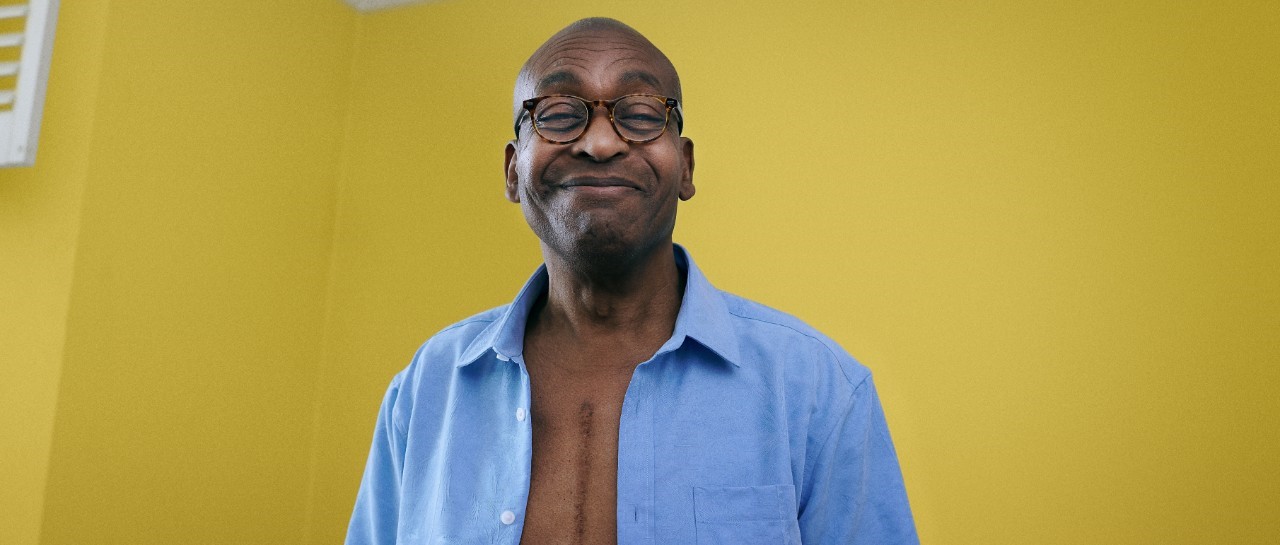
New research shows 69% of people in England with long-term health conditions say they want to be more active. But this group is twice as likely as the general population to avoid physical activity.
Fifteen major health charities, including Age UK and The Stroke Association, have come together to launch new campaign We Are Undefeatable, following the success of Sport England's This Girl Can initiative.
The campaign is being launched to support the one in four (that's 15 million people in England) who live with one or more long-term health conditions, such as diabetes, cancer and arthritis.
People with chronic conditions are twice as likely to be inactive, even though there's plenty of evidence which shows physical activity can help in the management of many health problems.
In a survey of over 100 adults, 69% of people with one or more conditions said they want to be more active. But the results revealed this group felt they face barriers to exercising, including lack of energy (36%) and pain (40%). Over a quarter of participants said the unpredictable nature of their condition made it hard to commit to a routine.
Dr Zoe Williams, media GP and Public Health England's Physical Activity Champion, said: "I see people every day in my surgery who are unsure how to become more active whilst managing their long-term health condition. The evidence base for physical activity in the management of long-term conditions is extremely compelling and I love how this campaign highlights that even small amounts of regular physical activity can significantly improve people's physical health, and also their mental and psychological well-being."
We Are Undefeatable support packs will be distributed to every GP surgery and community pharmacy in England. They will include inspiration and tips on how to get active in ways that suit people with chronic conditions.
Television presenter Dominic Littlewood, who has type 1 diabetes, said: "Living with a long-term health condition changes your life. But I've learnt that you can't let this defeat you. I've never been a gym person, so for me, getting active is all about taking things back to basics. I love walking, cycle, and always make an effort to take the stairs instead of a lift. I'm incredibly proud to be supporting this campaign and I hope I can inspire others to become more active."
Patient picks for Exercise and physical activity

Healthy living
HIIT for weight loss: how does it compare to traditional cardio?
For a lot of people, the main priority of going to the gym is to lose weight. But the thought of spending hours upon hours plodding away on a treadmill can often be off-putting. If only there was a way to get the same kind of results in short, sharp bursts. If this is something you find yourself asking, then trying HIIT for weight loss may be the answer. But how does it compare to more traditional cardio exercise?
by Gemma Grange

Healthy living
Walk, jog, repeat: what is Jeffing?
No, it’s not about perfecting your best Jeff Goldblum impression, and it’s not a quirky new social media challenge either. Jeffing is actually a fitness method created in the 1970s by Olympian Jeff Galloway. Also known as the run-walk-run method, Jeffing combines running with short walking breaks to make exercise easier and more manageable. We spoke with an expert to break down what it’s all about and if it’s actually good for your health and fitness.
by Victoria Raw
Continue reading below
Article history
The information on this page is peer reviewed by qualified clinicians.
29 Aug 2019 | Latest version

Ask, share, connect.
Browse discussions, ask questions, and share experiences across hundreds of health topics.

Feeling unwell?
Assess your symptoms online for free
Sign up to the Patient newsletter
Your weekly dose of clear, trustworthy health advice - written to help you feel informed, confident and in control.
By subscribing you accept our Privacy Policy. You can unsubscribe at any time. We never sell your data.